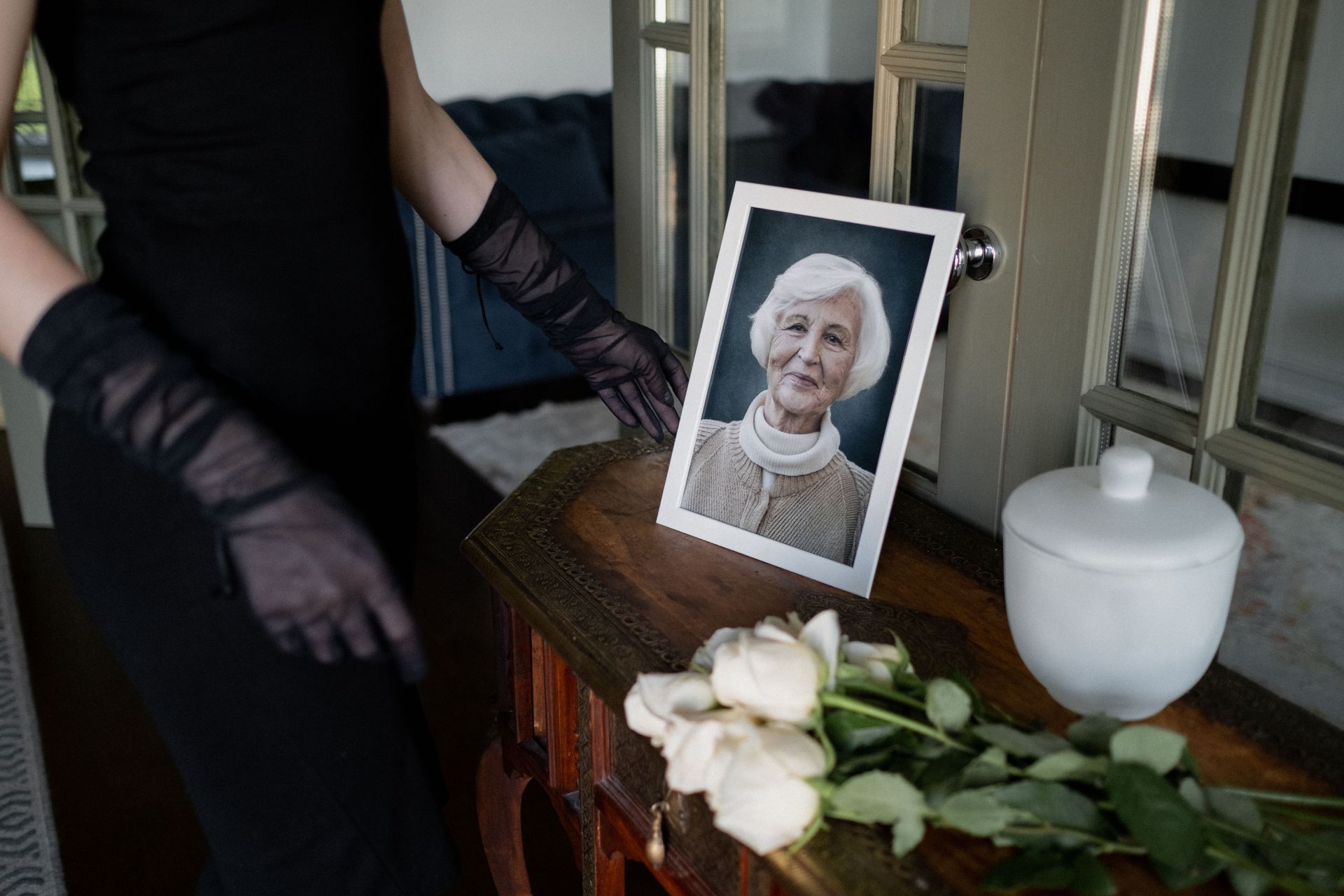
Supporting Children Through Grief: A Guide for Carteret County Families
When a family experiences the loss of a loved one, children often process grief very differently from adults.

Some may ask many questions, while others become quiet or withdrawn. In many cases, children may not fully understand what death means, especially at a young age. For families in Carteret County, supporting a grieving child requires patience, honesty, and reassurance during an emotionally difficult time.
At Noe-Brooks Funeral Home & Crematory, families are encouraged to approach grief with openness and compassion, helping children feel supported rather than isolated during times of loss.
Understanding How Children Experience Grief
Children do grieve deeply, even if they do not always express it in obvious ways. Their emotions may come in waves, shifting quickly between sadness, confusion, anger, and even normal playfulness. This is a natural part of how children process difficult emotions.
A child’s understanding of death often depends on their age and emotional maturity.
Young Children
Younger children may not fully understand that death is permanent. They may repeatedly ask when their loved one is coming back or struggle with separation anxiety after the loss.
School-Age Children
Children in elementary school usually begin to understand the permanence of death, but they may still have fears or misconceptions. Some may worry about losing other family members or blame themselves for what happened.
Teenagers
Teenagers often experience grief more similarly to adults, but many struggle to openly discuss their emotions. Some may isolate themselves, while others may express grief through frustration or changes in behavior.
Every child responds differently, and there is no “correct” way for them to grieve.
The Importance of Honest Conversations
One of the most important things families can do is communicate honestly. While it may feel tempting to soften the truth or avoid difficult conversations, children generally cope better when they receive clear and age-appropriate explanations.
Using simple, direct language helps avoid confusion. Phrases like “passed away” or “went to sleep” can sometimes be misunderstood by younger children. Instead, gentle but honest explanations often provide more comfort and clarity.
It is also important to encourage questions. Children may ask the same questions multiple times as they process the loss. Patience and reassurance can help them feel safe discussing their emotions.
Helping Children Feel Included
Children often benefit from being included in memorial activities rather than being shielded entirely from them. Feeling involved can help them better understand what is happening and begin processing their grief in a healthy way.
Depending on their age and comfort level, children may wish to:
- Draw pictures or write letters for their loved one
- Share memories during a service
- Help choose music or photos
- Participate in small memorial traditions
Through personalized funeral and memorial services, families can create meaningful ways for children to feel connected and included while honoring their loved one.
Recognizing Signs That a Child May Need Extra Support
Grief affects every child differently, but there are times when additional support may be helpful. Some signs to watch for include:
- Major changes in sleep or eating habits
- Withdrawal from friends or activities
- Increased anxiety or fearfulness
- Difficulty concentrating in school
- Persistent sadness or anger
These reactions do not necessarily mean something is wrong, but they may signal that the child needs extra reassurance or professional guidance.
Families should remember that grief does not follow a timeline. A child may appear fine initially and struggle emotionally weeks or months later, especially around birthdays, holidays, or anniversaries.
Creating Stability During Difficult Times
After a loss, children often feel comforted by routine and stability. Maintaining familiar schedules, school activities, and family traditions can help provide a sense of security during uncertain times.
At the same time, it is important to give children permission to express emotions openly. Letting them know it is okay to cry, feel angry, or talk about their loved one helps normalize grief instead of making it something they feel they must hide.
In close-knit communities throughout Carteret County, support from extended family, teachers, faith communities, and friends can also make a meaningful difference for grieving children.
Grief Resources for Families
No family should feel like they have to navigate grief alone. Support resources can provide comfort, education, and guidance for both adults and children coping with loss.
Families looking for additional support can explore grief resources and healing support to help children and caregivers better understand the grieving process.
Sometimes, simply knowing that emotional reactions are normal can bring relief during a difficult season of life.
Preparing Children When a Death Occurs
When a loved one is nearing the end of life or a death occurs unexpectedly, children often benefit from gentle preparation. Explaining what they may see or experience during funeral services can reduce fear and uncertainty.
Resources related to what to do when a death occurs can also help families better understand the practical steps involved, allowing them to focus more fully on supporting one another emotionally.
Having caring professionals available to guide families through these moments can ease some of the burden during overwhelming times.
Helping Children Carry Memories Forward
One of the healthiest ways children cope with grief is by continuing to remember and talk about the person they lost. Keeping memories alive helps children understand that love and connection do not disappear after death.
Families may choose to:
- Create memory boxes or scrapbooks
- Celebrate birthdays or special traditions
- Share favorite stories
- Display photographs around the home
These simple acts remind children that it is okay to remember, talk about, and continue loving the person who has died.
If your family is navigating the loss of a loved one and needs compassionate guidance, the team at Noe-Brooks Funeral Home & Crematory is available to help. You can connect with them through their contact page for support and information.
In the end, helping children through grief is not about having perfect answers. It is about being present, listening with compassion, and reminding them that they are loved and supported every step of the way.