What to Expect When Planning a Funeral: A Step-by-Step Guide for First-Time Planners
Planning a funeral for the first time can feel overwhelming.
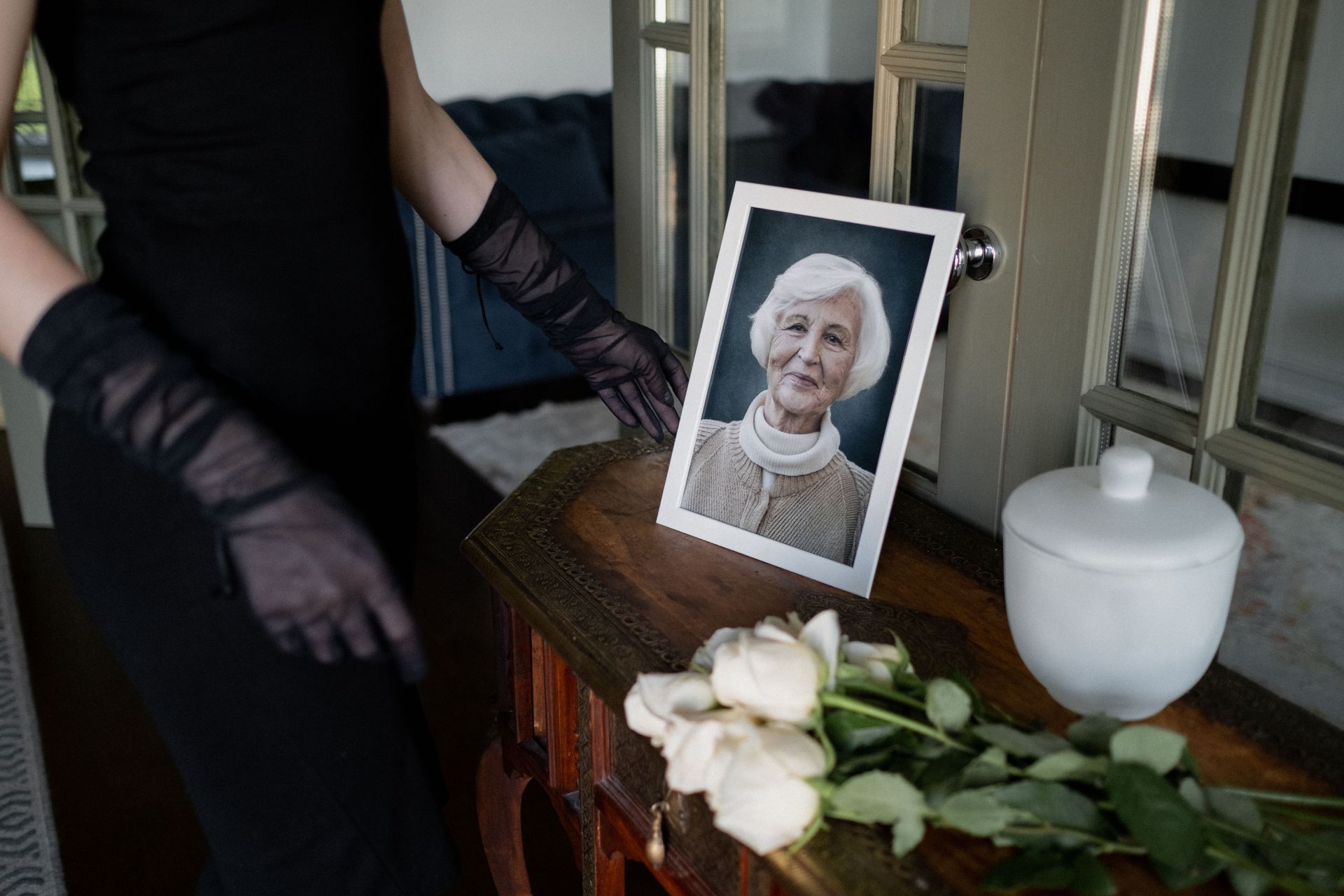
Most people are asked to make important decisions during one of the most emotional periods of their lives, often with little prior experience. Between coordinating arrangements, notifying family members, and managing personal grief, it can be difficult to know where to begin.
The good news is that you do not have to navigate the process alone. Funeral professionals are there to guide families through each step, helping ensure that every detail is handled with care and respect.
At Noe-Brooks Funeral Home & Crematory, families throughout Carteret County receive compassionate support and clear guidance throughout the funeral planning process. Understanding what to expect can help ease some of the uncertainty and allow you to focus on honoring your loved one.
Step 1: Contact a Funeral Home
The first step after a death occurs is contacting a funeral home. If the death takes place at a hospital, nursing facility, or hospice center, staff members can often assist with initial arrangements. If the death occurs at home, funeral professionals can provide guidance on what to do next.
Resources such as what to do when a death occurs can help families understand the immediate steps involved and provide reassurance during a difficult time.
Once the funeral home is contacted, they will arrange transportation and begin coordinating the next stages of care.
Step 2: Meet with a Funeral Director
One of the most important parts of the process is meeting with a funeral director. During this meeting, you will discuss your loved one's wishes, your family's preferences, and the various options available.
The funeral director will help guide decisions regarding:
- Burial or cremation
- Service type and location
- Obituary preparation
- Clergy or celebrant coordination
- Veteran honors, if applicable
- Personalization option
This conversation is designed to help families make informed decisions without feeling rushed or pressured.
Step 3: Choose Between Burial and Cremation
A major decision involves selecting burial or cremation.
Some families choose traditional burial because of its familiar structure and ceremonial elements. Others prefer cremation because of its flexibility and variety of memorial options.
Families interested in traditional funeral services may choose to include visitation, a formal ceremony, and cemetery services. Those considering cremation can explore options through cremation services, which may include memorial gatherings, celebrations of life, or private family services.
There is no right or wrong choice. The best option is the one that reflects your loved one's wishes and your family's needs.
Step 4: Gather Important Information and Documents
As arrangements move forward, you will need to provide information required for legal documentation and obituary preparation.
This may include:
- Full legal name
- Date and place of birth
- Social Security number
- Military service information
- Parents' names
- Marital status
- Employment history
Having these details available can help streamline the planning process.
Step 5: Plan the Service
Once the basic arrangements are established, attention turns to designing the service itself.
Families may choose:
- Religious or non-religious ceremonies
- Public or private gatherings
- Readings, music, and prayers
- Speakers or eulogists
- Photo displays and tribute videos
Many families today choose to personalize services to reflect their loved one's personality, interests, and accomplishments.
Through personalized memorial options, families can incorporate meaningful details that create a more unique and memorable tribute.
Step 6: Notify Family and Friends
The funeral home can assist with preparing an obituary and sharing service information. Families may also choose to notify friends, extended relatives, coworkers, and community members directly.
This step often helps create a support network during the grieving process and ensures that those who wish to pay their respects have the opportunity to do so.
Step 7: Prepare for the Day of the Service
As the service approaches, funeral professionals coordinate logistics so families can focus on one another rather than worrying about details.
They will oversee:
- Arrival and seating arrangements
- Service timing
- Audio and visual presentations
- Transportation coordination
- Cemetery or final disposition arrangements
Having experienced guidance allows families to be fully present during the ceremony.
Step 8: Navigate the Days After the Funeral
Many people assume funeral planning ends after the service, but there are often additional tasks to complete. Families may need to manage financial accounts, insurance claims, estate matters, and other administrative responsibilities.
At the same time, grief continues long after the service concludes. It is important to remember that healing is a process, not a deadline.
Support resources and guidance can help families navigate this next chapter while adjusting to life after loss.
You Do Not Have to Do Everything Alone
One of the biggest misconceptions about funeral planning is that families must have all the answers before meeting with a funeral director. In reality, funeral professionals are there to help guide every decision and explain every option.
Whether the arrangements are simple or highly personalized, the goal remains the same: creating a meaningful tribute that honors a life while providing comfort to those left behind.
If your family has questions about funeral planning or needs immediate assistance, the caring team at Noe-Brooks Funeral Home & Crematory is available to help. You can connect with them through their contact page for guidance and support.
While planning a funeral may feel intimidating at first, understanding the process can provide peace of mind. With the right support, families can focus less on logistics and more on celebrating the life, memories, and legacy of someone they love.