Honoring Military Service: How to Arrange a Proper Military Funeral
The men and women who serve in the United States Armed Forces dedicate a portion of their lives to protecting and serving their country.
When a veteran passes away, many families wish to honor that service with a funeral that reflects their sacrifice, commitment, and legacy. While arranging any funeral can feel overwhelming, understanding the options available for military honors can help families create a meaningful and respectful tribute.
For families throughout Carteret County and Coastal North Carolina, a military funeral provides an opportunity to recognize not only a veteran's service to the nation but also the life they lived beyond their military career. At Noe-Brooks Funeral Home & Crematory, families receive guidance through every step of the process to ensure eligible veterans receive the honors they have earned.
Understanding Military Funeral Honors
Military funeral honors are a way for the nation to recognize a veteran's service and sacrifice. By law, eligible veterans are entitled to receive certain military funeral honors at no cost to their families.
These honors typically include:
- The folding and presentation of the United States flag
- The playing of Taps
- An honor guard detail consisting of at least two uniformed service members
At least one member of the honor guard represents the branch of service in which the veteran served whenever possible. These traditions offer a powerful and memorable expression of gratitude on behalf of a grateful nation.
Determining Eligibility
Not every military service member automatically qualifies for military funeral honors, so one of the first steps is verifying eligibility.
Generally, veterans who served on active duty and were discharged under conditions other than dishonorable qualify for military honors. Certain members of the National Guard and Reserve may also be eligible depending on their service history.
Families will typically need to provide documentation such as a DD Form 214 or other discharge papers to verify military service. If these records are difficult to locate, funeral professionals can often assist families in obtaining the necessary documentation.
Through veteran funeral services, families can receive assistance navigating eligibility requirements and coordinating available benefits.
Choosing the Type of Funeral Service
Military honors can be incorporated into a variety of funeral arrangements. There is no requirement that a military funeral follow a specific format.
Many families choose a traditional funeral service followed by military honors at the cemetery. Others may prefer a memorial service, graveside gathering, or celebration of life that includes military recognition.
Families considering a more traditional approach can explore traditional funeral services that combine ceremonial elements with military honors and personal tributes.
The most meaningful services often balance recognition of military service with remembrance of the veteran's personal life, family relationships, and accomplishments.
Incorporating Personal Elements Into the Service
While military traditions provide an important foundation, many families also choose to personalize the service.
Meaningful additions may include:
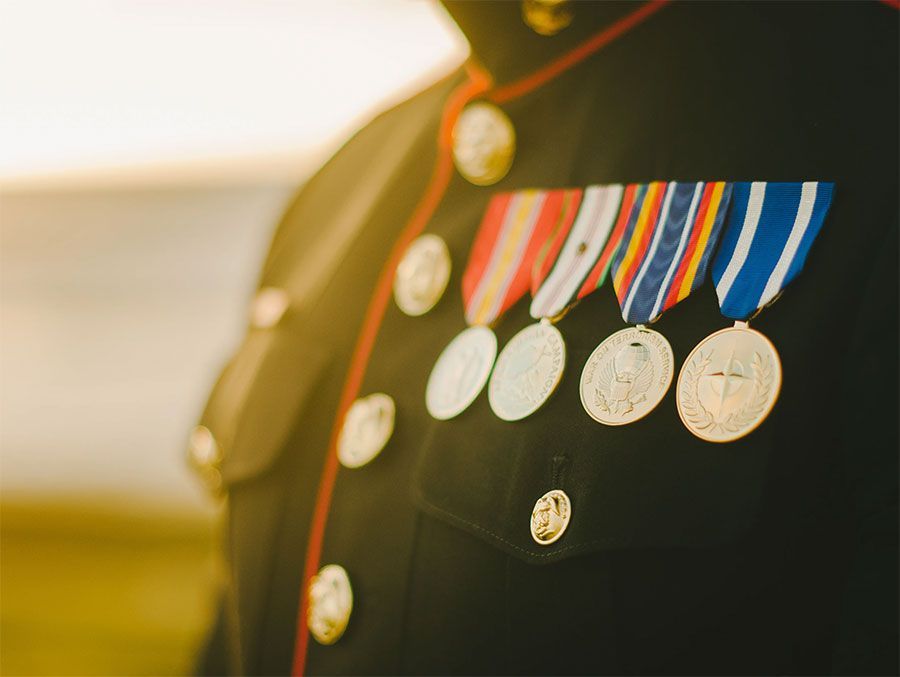
- Displaying military photographs and medals
- Sharing stories from military service
- Featuring patriotic music
- Including readings or tributes from fellow veterans
- Creating memory tables with service memorabilia
These elements help tell the complete story of the veteran's life, highlighting both their service to the country and the relationships that defined them.
Personalization ensures the service reflects not only what the veteran did, but who they were.
Understanding Veteran Burial Benefits
In addition to military honors, eligible veterans may qualify for burial benefits provided by the U.S. Department of Veterans Affairs.
Potential benefits may include:
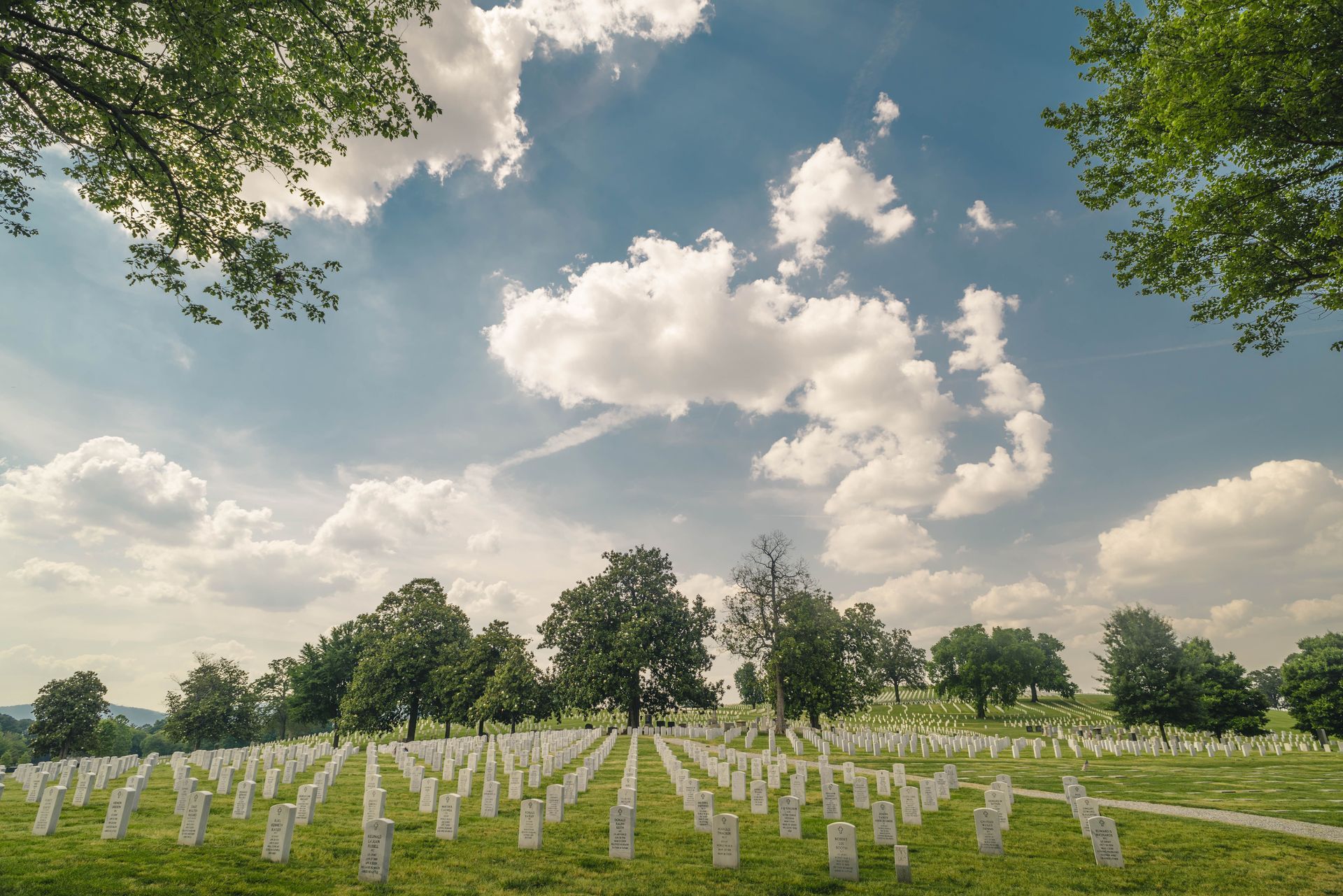
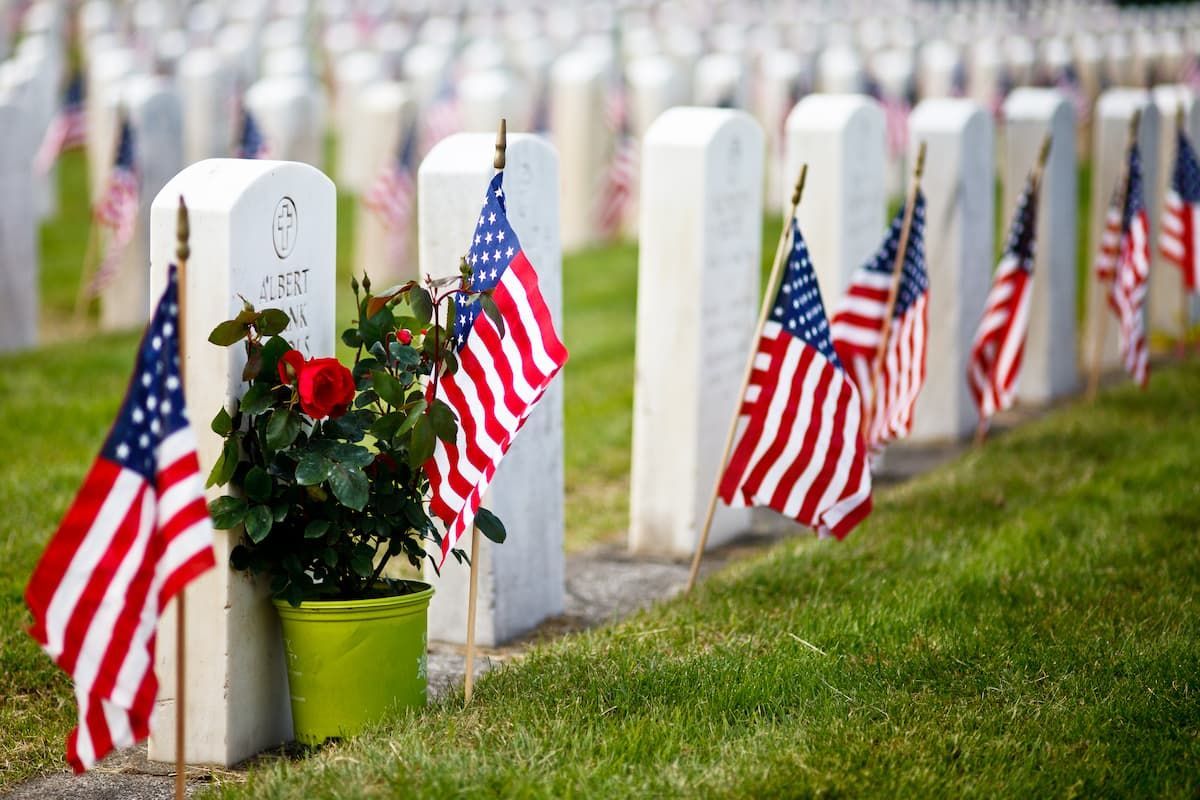
- Burial in a national veterans cemetery
- A government-issued headstone or marker
- A burial flag
- A Presidential Memorial Certificate
These benefits can provide meaningful recognition while helping families navigate funeral arrangements.
Funeral professionals can help determine eligibility and coordinate these benefits on behalf of the family.
Planning Ahead for Military Funeral Wishes
Many veterans choose to document their funeral preferences in advance. Pre-planning allows individuals to specify their wishes regarding military honors, burial preferences, and memorial services.
Through funeral pre-planning services, veterans can communicate their preferences clearly, helping reduce uncertainty and stress for loved ones in the future.
Pre-planning also gives families confidence that the service will reflect the veteran's wishes while ensuring military honors are properly coordinated.
Supporting Military Families During Loss
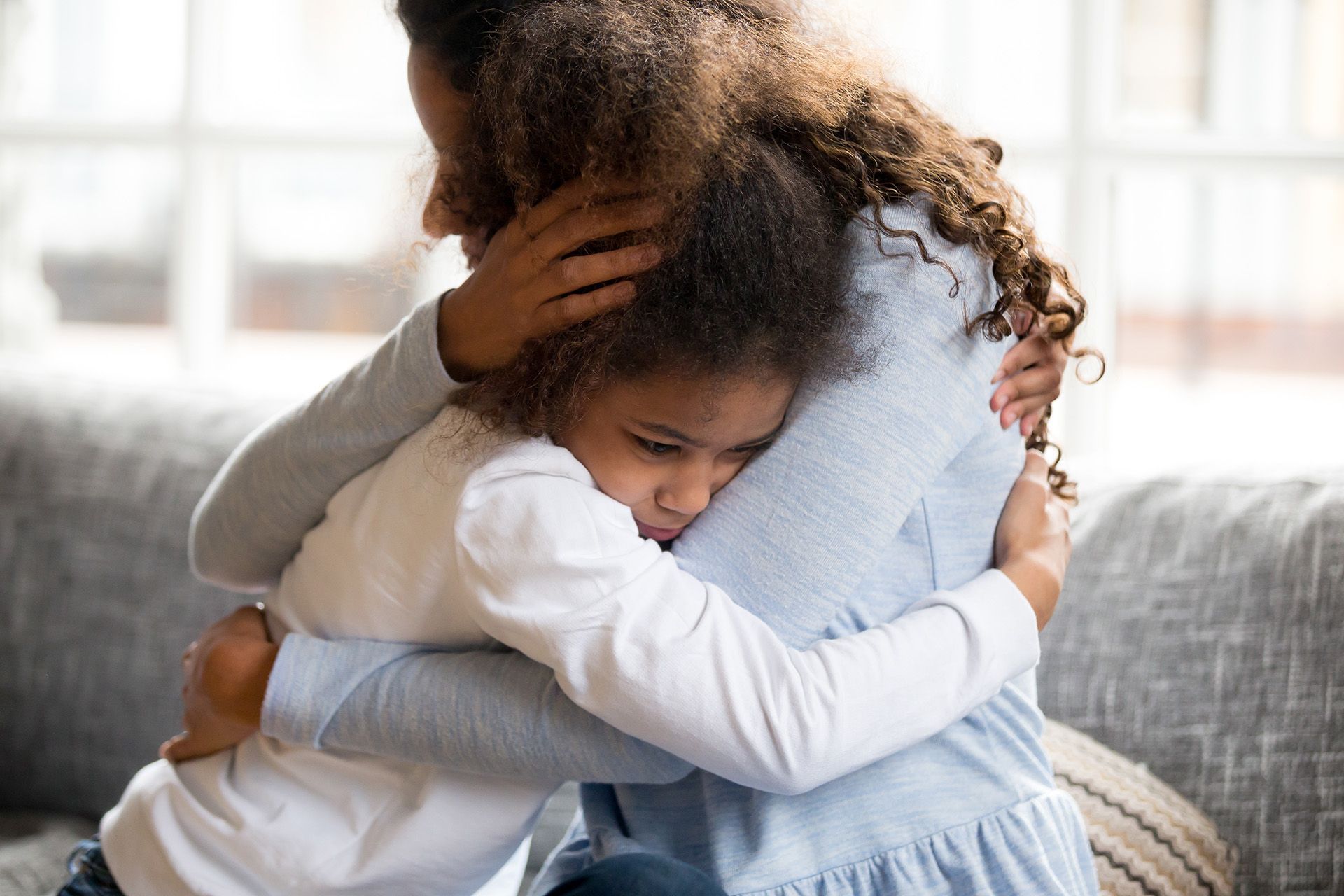
The loss of a veteran often carries unique emotional significance. Family members may reflect not only on their loved one's passing but also on the sacrifices, deployments, and experiences that shaped their life.
Military families sometimes experience a mixture of grief, pride, gratitude, and remembrance. Creating space for those emotions during the funeral process can be an important part of healing.
Gathering family members, fellow veterans, and friends provides an opportunity to share stories, celebrate achievements, and honor a life dedicated to service.
A Lasting Tribute to Service and Sacrifice
A military funeral is more than a ceremonial event. It is a final expression of respect for a life spent serving others and a meaningful opportunity for family and friends to come together in remembrance.
Whether the service includes formal military honors, personal tributes, or both, the goal remains the same: honoring the veteran's legacy with dignity and gratitude.
If your family needs assistance arranging military funeral honors or understanding available veteran benefits, the compassionate team at Noe-Brooks Funeral Home & Crematory is here to help. You can reach out through their contact page for guidance and support.
By thoughtfully recognizing military service and preserving personal memories, families can create a tribute that honors both the uniform worn and the life lived.