Back to School Season and Grief: Supporting Families and Children Returning to Routine
The beginning of a new school year usually brings anticipation, new routines, and a return to familiar schedules. For a child who has recently lost someone they love, however, going back to school can bring a very different set of emotions. The return to classrooms, activities, and friendships may provide welcome stability, but it can also highlight how much life has changed.
Parents and caregivers may wonder how much support to provide, what teachers should know, or whether a child's reactions are normal. At Noe-Brooks Funeral Home & Crematory, we understand that grief continues long after a funeral ends. Recognizing how loss can affect children as they return to school can help families approach this transition with patience and compassion.
Why Returning to School Can Be Complicated
Routine can be comforting after a loss. Predictable school days give children structure at a time when their home life may feel unfamiliar.
At the same time, school brings expectations. Children must concentrate, complete assignments, interact with classmates, and participate in activities even when grief is taking up much of their emotional energy.
Everyday conversations can also trigger unexpected emotions. A class project involving family members, a classmate asking about summer vacation, or seeing another child with a parent or grandparent can suddenly bring feelings of loss to the surface.
These moments do not necessarily mean a child is struggling to adjust. Grief often appears unexpectedly, particularly during periods of change.
Understand That Children Grieve Differently
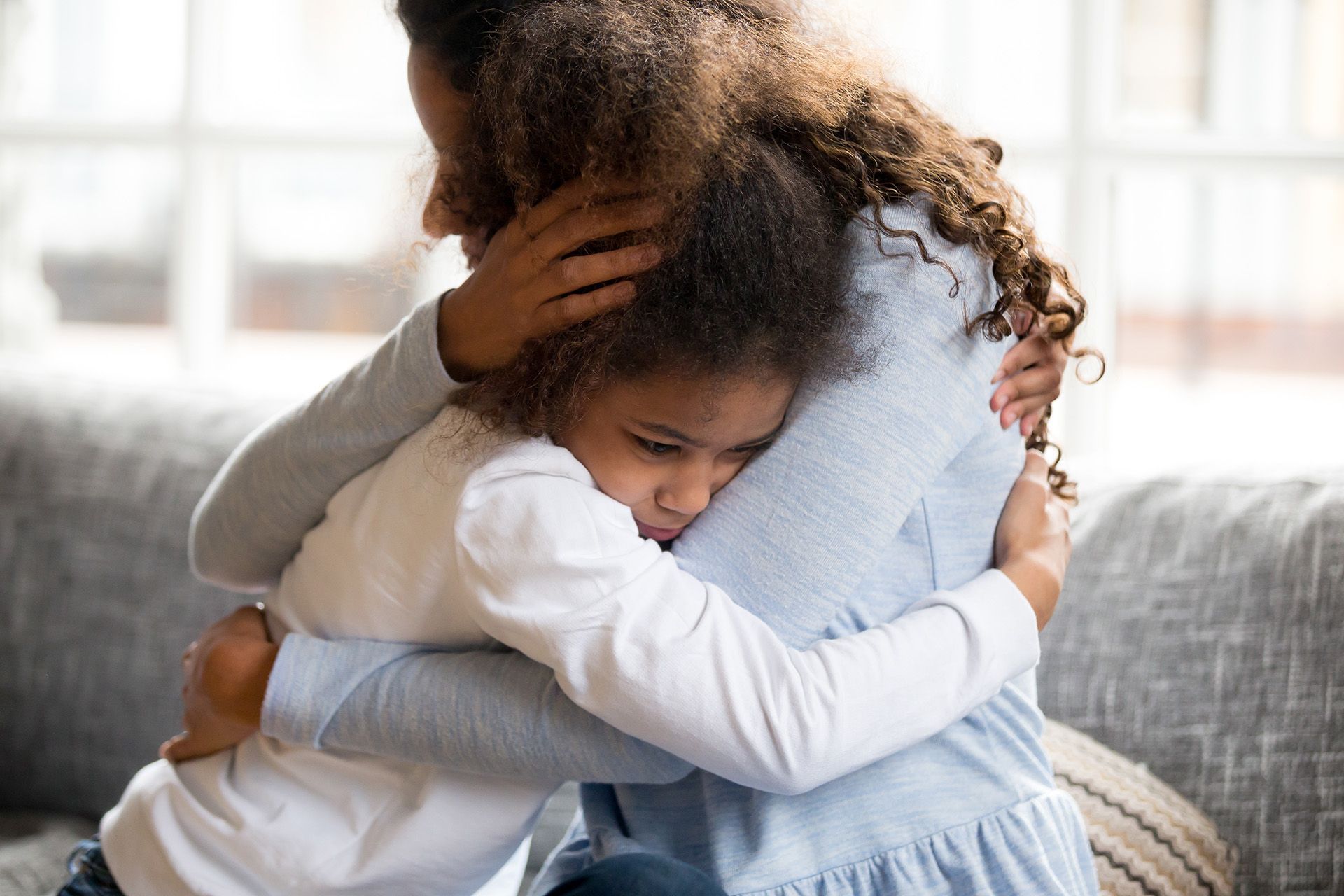
Adults sometimes expect grief to look like prolonged sadness, but children may express loss very differently.
Younger Children
Young children may have difficulty understanding that death is permanent. They may ask the same questions repeatedly or move quickly between crying and playing.
Changes in sleep, increased attachment to caregivers, irritability, or temporary regression can also occur.
Older Children and Teenagers
Older children may better understand death but feel uncomfortable discussing their emotions. Teenagers in particular may worry about being treated differently by friends.
Some become quieter, while others show frustration or appear unusually unconcerned. There is no single pattern that determines whether a young person is grieving appropriately.
Families looking for additional guidance can explore grief resources and support as they help children understand and express difficult emotions.
Communicate With Teachers and School Staff
Parents do not need to share every detail of a family's loss, but informing appropriate school staff can be helpful.
A teacher or counselor who understands the situation may recognize why a normally attentive student is having trouble concentrating or why certain assignments are emotionally difficult.
Consider discussing whether the child would like classmates to know about the loss. Some children appreciate having a teacher explain what happened so they do not have to repeat the story. Others strongly prefer privacy.
Whenever possible, include the child in decisions about what information will be shared.
Restore Routine Without Expecting Immediate Normalcy
Returning to regular bedtimes, meals, homework schedules, and extracurricular activities can restore a sense of predictability.
However, routine should not become pressure to behave as though nothing happened.
A child may need additional breaks, help completing schoolwork, or occasional time away from activities. Parents can maintain structure while remaining flexible when grief makes an ordinary day unusually difficult.
Keep Conversations About Their Loved One Open
Children sometimes stop mentioning the person who died because they worry about upsetting adults. Parents and caregivers can reassure them by speaking naturally about their loved one and welcoming memories when they arise.
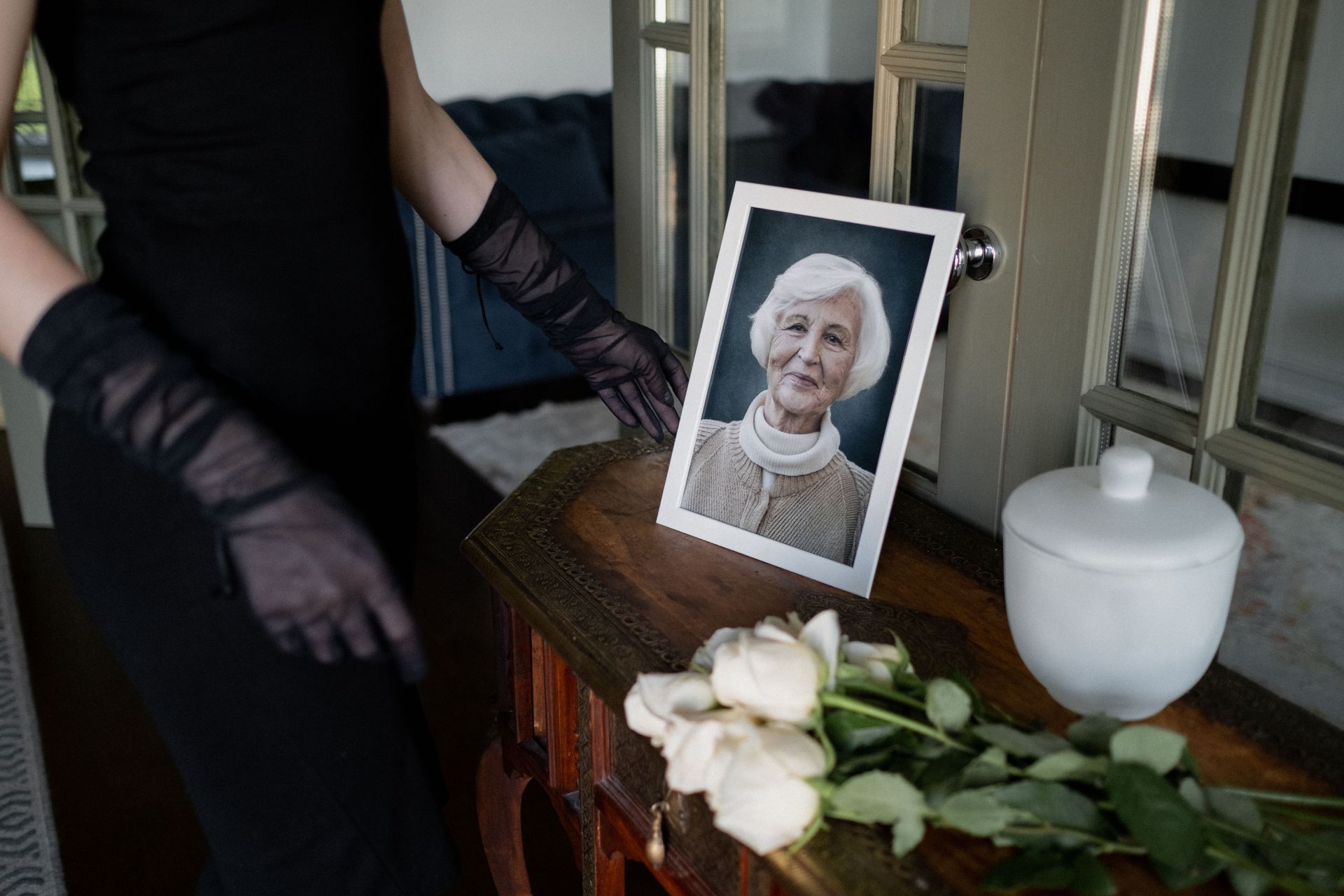
Consider looking through photographs together, preparing a favorite meal, or sharing stories about meaningful experiences.
Families can also explore personalized ways to preserve memories. A memory box, scrapbook, keepsake, or another personal tribute can give children a tangible connection to someone they miss.
Watch for Changes That Continue Over Time
Changes in behavior are common after a death, but parents should remain attentive to how a child is functioning over time.
Persistent withdrawal, significant changes in sleeping or eating, ongoing difficulty attending school, declining academic performance, or intense anxiety may indicate that additional support would be beneficial.
A school counselor, grief counselor, pediatrician, or qualified mental health professional can help families determine what kind of support is appropriate.
Remember That Grief Changes as Children Grow
Children often revisit loss as they mature. A child who understood a parent's death one way at age seven may experience that same loss differently at age twelve or sixteen.
Milestones can also renew grief. Starting a new school, graduating, attending a dance, earning an award, or preparing for college may bring thoughts about the person who should have been there.
Keeping conversations open gives children permission to return to their grief whenever they need to.
Supporting the Whole Family Through the Transition
Parents and caregivers are often grieving too. Supporting a child while managing your own loss can be exhausting, and families should not expect themselves to handle every moment perfectly.
As the school year begins, focus on creating stability while leaving room for difficult days. Listen when children want to talk, respect when they need space, and remind them that every emotion is welcome.
For families throughout Morehead City and Carteret County navigating life after a loss, compassionate guidance remains available. When your family needs support or has questions about honoring a loved one, you can connect with the Noe-Brooks team for caring assistance.