Creating Lasting Memories: Unique Ways to Memorialize Your Loved One
After losing someone close to you, finding meaningful ways to preserve their memory can become an important part of the grieving process. A funeral or memorial service provides a dedicated time to gather and say goodbye, but remembrance does not have to end when the service concludes. Families can continue honoring a loved one through traditions, keepsakes, shared stories, and personal acts that reflect the life they lived.
For families throughout Morehead City and Carteret County, Noe-Brooks Funeral Home & Crematory understands that memorialization is deeply personal. What brings comfort to one family may look entirely different for another. The most meaningful remembrance is often one that feels genuine to the person being honored.
Create a Memory Collection That Tells Their Story
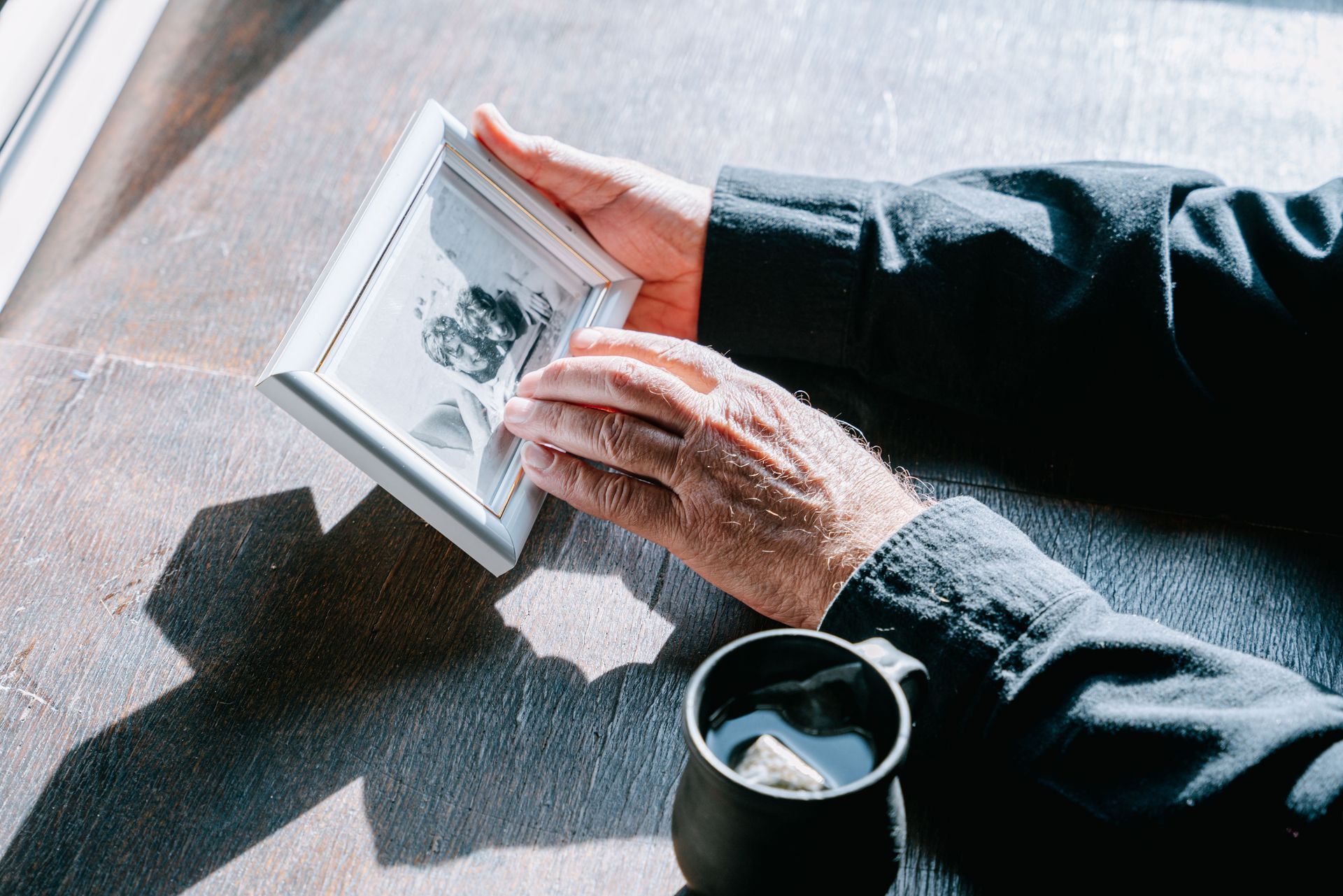
Photographs are often among the first things families turn to after a loss. Instead of keeping those photographs tucked away, consider creating a collection that can be revisited and eventually passed down through generations.
A traditional photo album can include handwritten captions explaining when and where photographs were taken. Families may also create digital albums, memory books, or boxes containing letters, recipes, cards, and small personal belongings.
These collections can become especially valuable for younger relatives who may not have had the opportunity to know their loved one well. Rather than simply seeing a photograph, they can discover the stories behind it.
Incorporate Personal Details Into the Memorial Service
A meaningful funeral does not have to follow a completely standardized format. Small details can transform a service into a reflection of someone's personality, interests, relationships, and accomplishments.
Through funeral personalization options, families can consider tribute videos, meaningful music, photographs, keepsakes, and other elements that tell a more complete story.
For someone who loved fishing along the North Carolina coast, for example, photographs from days spent on the water may feel appropriate. A gardener might be remembered through favorite flowers, while a lifelong music lover could be honored with songs that family members immediately associate with them.
Personalization does not need to be elaborate. Often, the simplest details carry the greatest emotional meaning.
Establish a Family Tradition in Their Memory
Traditions provide families with a way to maintain a connection over time. Consider choosing an activity associated with your loved one and making it part of your family's yearly routine.
You might prepare their favorite meal on their birthday, visit a meaningful location, gather for an annual family dinner, or participate in an activity they enjoyed.
These traditions can change as families grow. What begins as a quiet gathering among immediate relatives may eventually become something children and grandchildren continue themselves.
Create a Living Memorial
Not every memorial needs to be a physical monument. A living tribute can symbolize how someone's influence continues long after their death.
Planting a tree or creating a memorial garden can provide a peaceful place for reflection. Families might choose flowers their loved one grew, native plants that flourish in Coastal North Carolina, or a tree that will continue growing for decades.
Another possibility is supporting something the person valued. A scholarship, charitable donation, volunteer day, or contribution to a community organization can turn remembrance into an act that benefits others.
Preserve Their Voice and Stories
Family stories can disappear surprisingly quickly when they are not recorded. Preserving them can be one of the most valuable gifts given to future generations.
Invite relatives and friends to write down favorite memories. Save meaningful letters and cards. If recordings already exist, organize and preserve them carefully.
Families planning ahead can also record their own stories and preferences. Resources such as Talk of a Lifetime can encourage conversations about the people, places, experiences, and values that have shaped a person's life.
These conversations can reveal stories even close family members have never heard.
Choose a Meaningful Permanent Resting Place
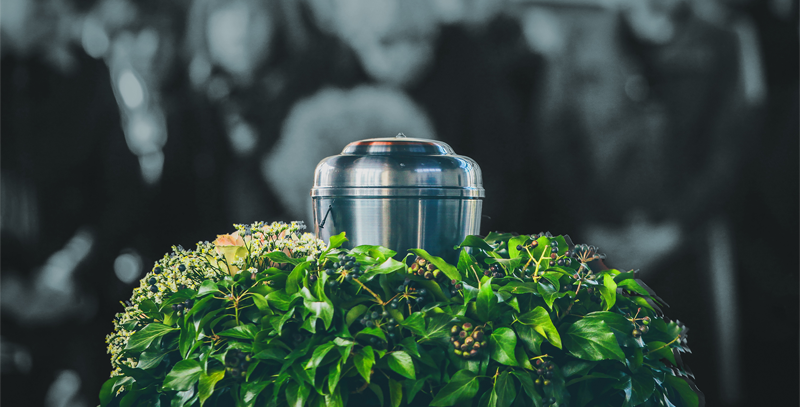
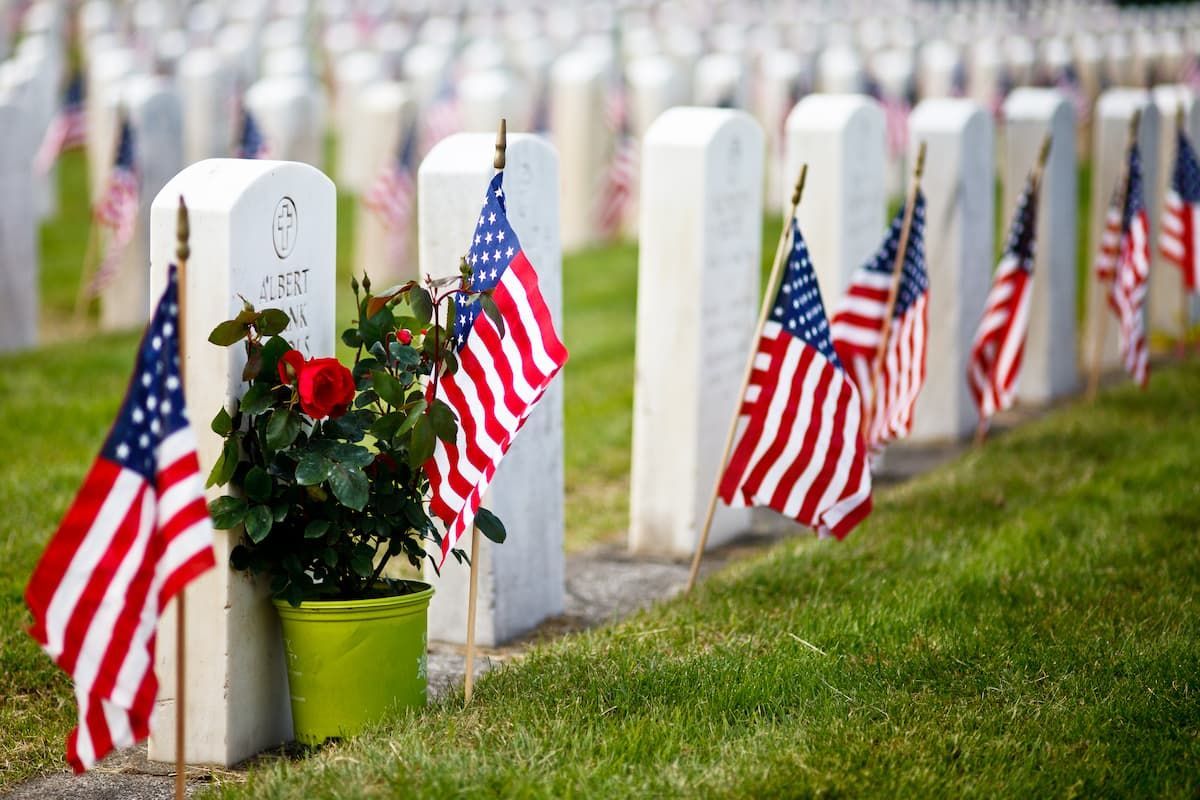
For some families, having a physical place to visit remains an important part of remembrance. Burial sites, memorial markers, cremation niches, and other permanent memorials provide somewhere to gather on birthdays, anniversaries, holidays, or whenever someone simply wants a quiet moment of connection.
Families connected to Coastal North Carolina may also feel particularly drawn to the water. For individuals whose lives revolved around boating, fishing, or the ocean, maritime and ocean burial may provide a meaningful option worth discussing.
The right resting place should reflect personal wishes while also considering what may provide comfort to surviving family members.
Give Family Members Space to Remember Differently
Memorialization does not have to look the same for everyone in a family. One person may want photographs displayed throughout their home, while another may prefer a private keepsake. Children might draw pictures or create memory boxes, while adults may find comfort in continuing a family tradition.
Allowing each person to develop their own connection to the loved one's memory can be an important part of healthy grieving.
There is also no deadline for deciding how someone should be memorialized. Some ideas may feel right immediately, while others may emerge months or even years later.
Keeping a Loved One's Legacy Close
A lasting memorial is ultimately less about what is created and more about what it represents. Photographs, traditions, gardens, keepsakes, and memorial spaces become meaningful because they carry stories of a person who mattered.
For families considering how best to honor someone they love, the caring team at Noe-Brooks can help explore options that reflect individual wishes, family traditions, and the memories you want to preserve. When you are ready for guidance, you can reach out to the funeral home to begin a thoughtful conversation about creating a tribute that feels right for your family.