Navigating Grief During the Holidays: Support for Bereaved Families
The holiday season is often associated with family gatherings, familiar traditions, shared meals, and celebrations. After the death of someone you love, however, those same traditions can become painful reminders of an absence that feels especially noticeable.
For grieving families, the weeks surrounding Thanksgiving, Christmas, and other seasonal celebrations can bring conflicting emotions. You may appreciate being surrounded by people you love while simultaneously wishing the person who died could still be there. You may want to participate in traditions one day and avoid them entirely the next.
There is no single correct way to experience the holidays after a loss. At Noe-Brooks Funeral Home & Crematory, families throughout Morehead City and Carteret County are reminded that grief is personal, and permitting yourself to approach the season differently can make difficult days more manageable.
Why Grief Can Feel Stronger During the Holidays
Holidays are filled with memories. A particular song, recipe, decoration, or family gathering can bring back vivid reminders of someone who is no longer present.
Anticipation can sometimes be as difficult as the holiday itself. You may find yourself wondering who will prepare a traditional dish, where everyone will sit, or how it will feel to celebrate without someone who previously played an important role.
These reactions are a natural part of grief. Even families who have been coping with a loss for years may experience renewed sadness when meaningful dates arrive.
Give Yourself Permission to Change Traditions
Families sometimes feel obligated to maintain every holiday tradition exactly as it was before a death. While familiar routines can provide comfort, they can also become emotionally exhausting.
Consider which traditions still feel meaningful and which ones you would rather change, simplify, or temporarily set aside.
You might hold the usual family dinner but change the location. You may decide to attend fewer gatherings or create an entirely new tradition. Some families choose a quieter holiday during the first year after a death and gradually return to familiar celebrations when they feel ready.
Changing a tradition does not diminish the memories attached to it.
Find a Meaningful Way to Include Your Loved One
Acknowledging the person who died can sometimes feel more comforting than avoiding their absence.
Families may choose to:
- Light a candle in their memory
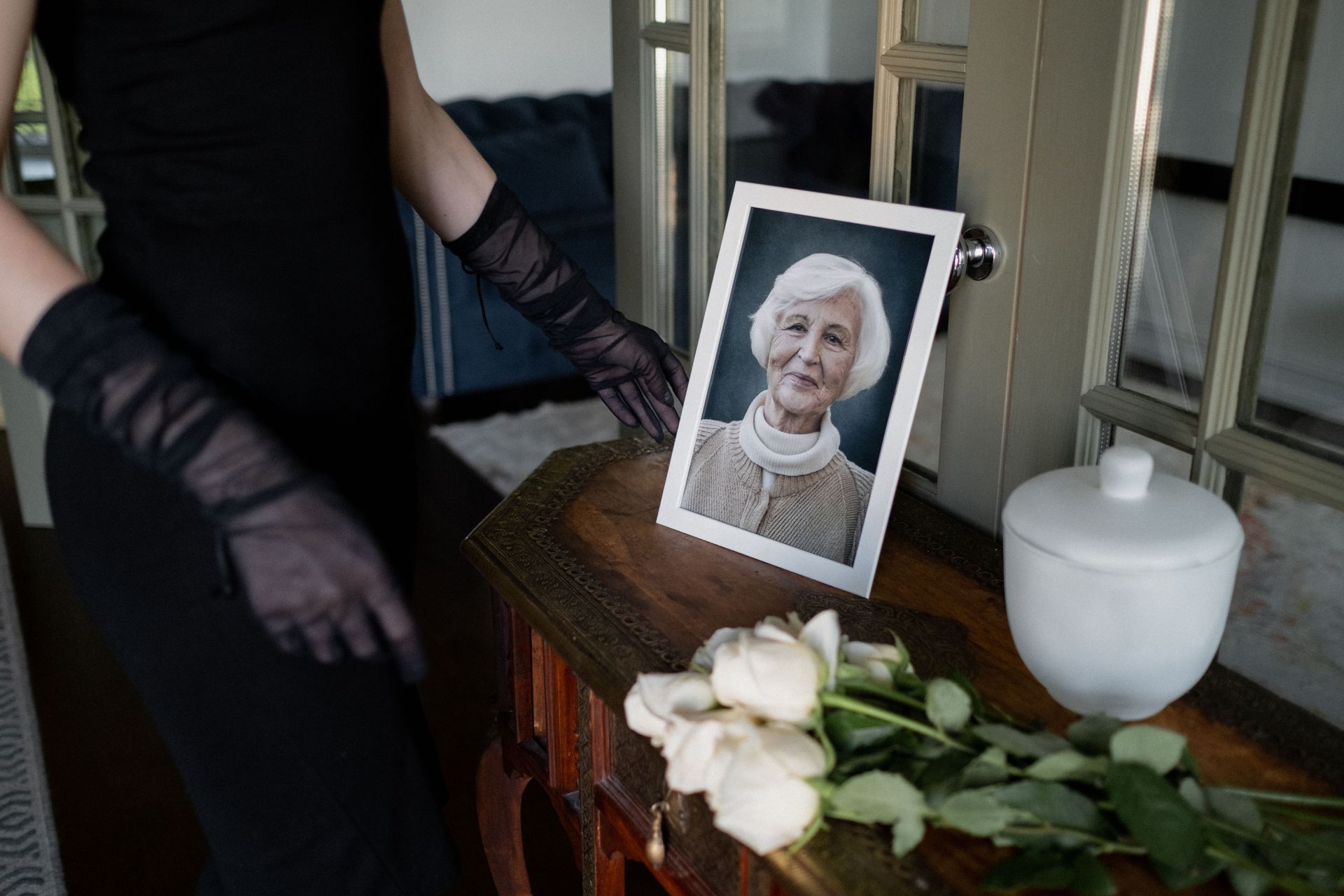
- Display a favorite photograph
- Prepare one of their traditional recipes
- Share favorite stories around the table
- Hang a meaningful ornament
- Make a charitable contribution in their name
These gestures do not need to become formal ceremonies. A simple moment of remembrance can create space for family members to acknowledge what everyone may already be feeling.
Set Boundaries Around Holiday Commitments
Grief can affect energy, concentration, sleep, and emotional resilience. A schedule that once felt enjoyable may become overwhelming after a loss.
You are allowed to decline invitations, leave gatherings early, simplify holiday preparations, or ask someone else to handle responsibilities you normally manage.
It can also help to have an exit plan before attending an event. Knowing that you can leave when you need to may make participation feel less intimidating.
The people closest to you may not always understand exactly what you need, so communicating boundaries clearly can prevent unnecessary stress.
Remember That Family Members May Grieve Differently
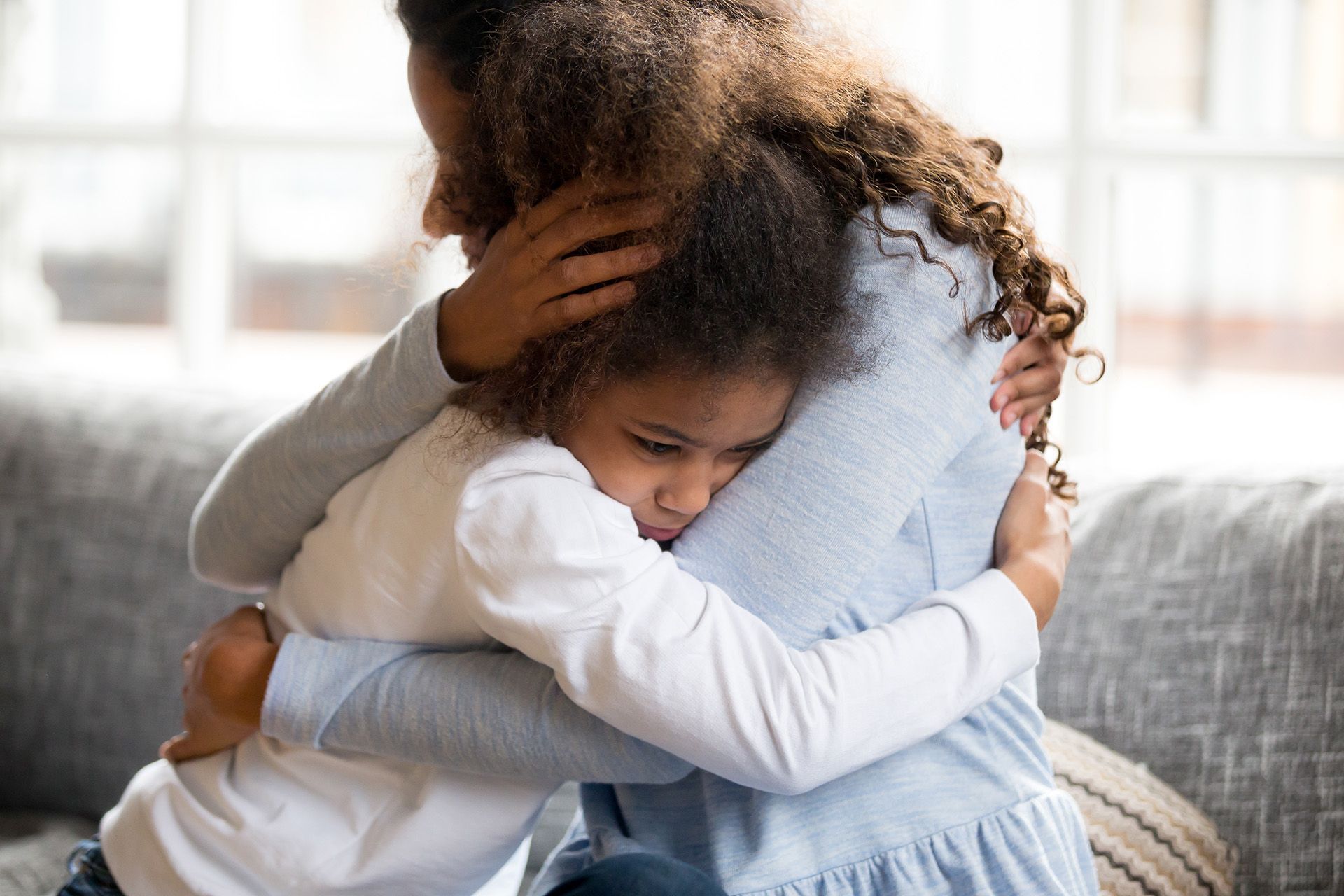
One person may want to talk openly about the loved one throughout the holidays. Another may prefer quiet reflection. Children may move between sadness and excitement quickly, while adults may find themselves struggling with traditions that younger family members still want to enjoy.
These differences do not mean anyone loved the person more or less.
Resources offering grief support for families can help individuals better understand the many ways grief may appear and provide guidance for navigating difficult periods together.
Make Space for Both Grief and Joy
Feeling moments of happiness during the holidays does not mean you have forgotten the person who died.
You may laugh during a family gathering and feel deeply sad an hour later. You might genuinely enjoy watching children open presents while simultaneously missing someone who should have been in the room.
Grief and joy can exist together. Allowing yourself to experience both without guilt can make the season feel less like something you must simply endure.
Consider Planning Ahead for Difficult Dates
Knowing that certain holidays or anniversaries may be difficult allows families to think about what kind of support they may need before those dates arrive.
Some people prefer being surrounded by family, while others want a quieter day. Having a conversation beforehand can prevent everyone from making assumptions about how the holiday should be handled.
For those thinking more broadly about easing future responsibilities for loved ones, planning ahead can also provide an opportunity to document funeral wishes and have important family conversations before those decisions become urgent.
When Grief Feels Too Heavy
The holidays can intensify loneliness, sadness, and other difficult emotions. If grief begins interfering significantly with everyday life or feels increasingly difficult to manage, additional support from a grief counselor, therapist, faith leader, or support group may be helpful.
Seeking support does not mean you are grieving incorrectly. Sometimes having another person listen without expectations can provide much-needed relief.
Finding Your Own Way Through the Season
The first holiday after a death can feel very different from the second, and grief may continue changing from year to year. Families do not need to recreate the holidays exactly as they once were or force themselves to create a completely new version overnight.
What matters is allowing space for remembrance, connection, and whatever emotions the season brings.
For families in Carteret County who are navigating a recent loss, Noe-Brooks remains a compassionate local resource beyond the funeral service itself. If questions arise or your family needs guidance during a difficult season, you can connect with the Noe-Brooks team for thoughtful support.